Cedar roofing · Install, restore, convert
Cedar roofs in Victoria, BC — installation, restoration and conversion.
Cedar is the Island’s signature roof, and the most commonly butchered. The wood is rarely the problem — the missing airflow under it is. I install, restore and repair cedar the way it has to be done in a wet coastal climate, and when a cedar roof is truly done, I’ll walk you through what to convert it to.
The rule: cedar needs air
A cedar shake holds water after every rain. If the underside can’t dry, the shake rots from below and the roof fails years early. So a proper cedar roof is a system, not just shakes:
- Strapping over the deck — horizontal battens create an air channel under every course.
- Interwoven perforated felt between courses, shedding water while letting the assembly breathe.
- Cedar Breather or equivalent matrix where the detail calls for it — a ventilated underlayment that keeps air moving.
- Correct exposure and fasteners — stainless or hot-dipped galvanized, placed where the next course covers them.
Handsawn and handsplit
Handsawn shakes are split along the grain — thick, textured, the classic West Coast look, and extremely durable. Handsawn shingles are sawn smooth on both faces for a tidier, more architectural finish. I install both, and I’ll walk you through which suits your house and exposure.
Restoration and maintenance
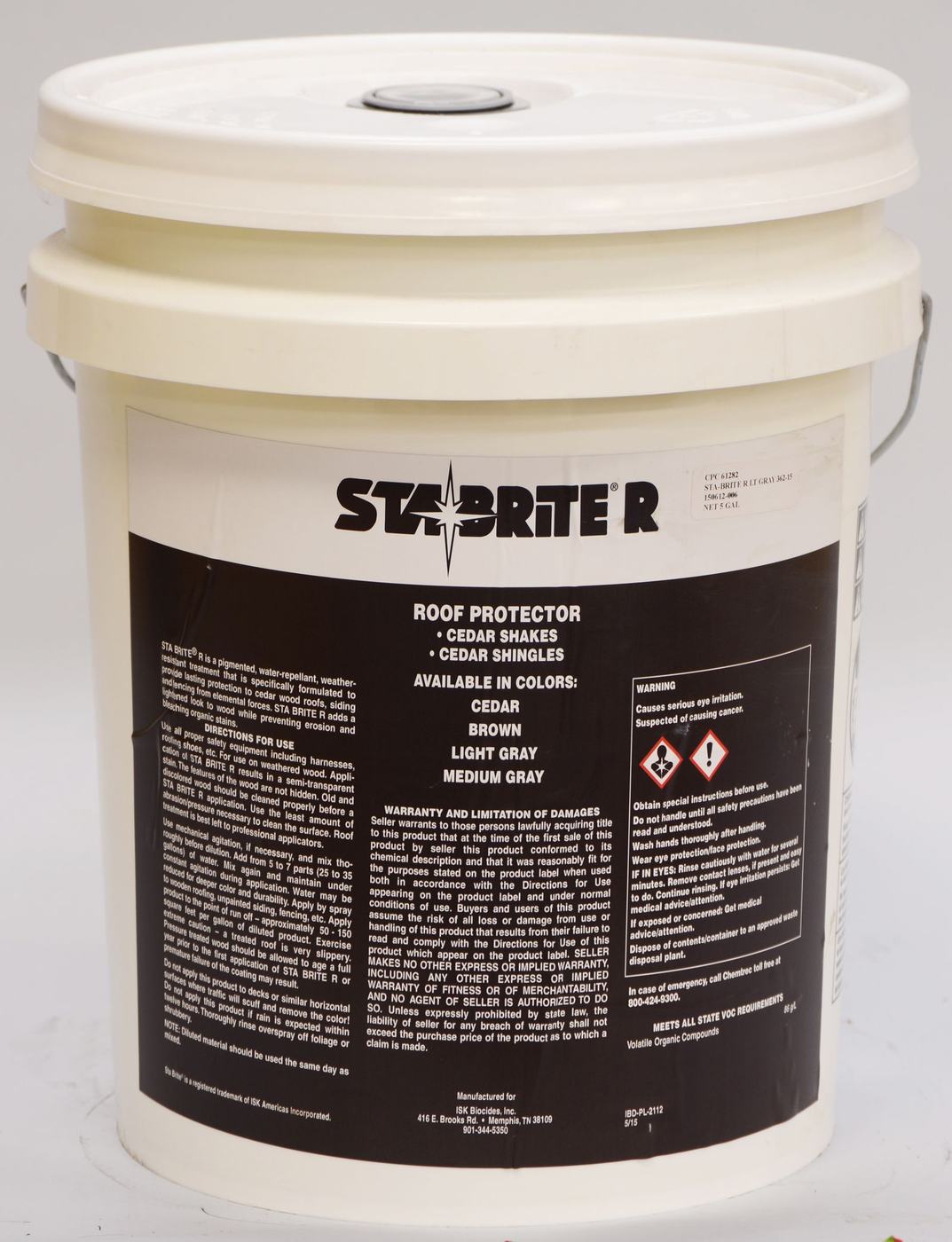
Not every tired cedar roof needs replacing. A restoration replaces split and failed shakes, renews the ridge, cleans the roof properly, and treats it with a preservative such as STA Brite R, which protects the wood and keeps the colour from going that dead grey-black. Done at the right time, it buys real years. Done too late, it’s lipstick — and I’ll tell you if that’s where your roof is. (One related warning, because homeowners ask: never pressure-wash a roof. It strips the surface off shakes and shingles alike and shortens the roof’s life. Moss is managed with cleaning by hand, treatment, and fixing the shade-and-moisture conditions — in that order.)
Cedar conversion: when keeping cedar stops being right
A generation of Island cedar — Oak Bay, Gordon Head, Cordova Bay — is 30 to 40 years old and converting now. The honest decision tree:
- Convert to standing seam metal if you want the last roof you buy and the house suits it — including many character homes, where metal has historical precedent.
- Convert to architectural shingles if budget rules and the house is a standard residential roof.
- Convert to a composite (Enviroshake and kin) if you want the cedar look with a fraction of the upkeep.
- Keep cedar if the roof is sound, the house is heritage or character where cedar is the face, or you value the material itself — then maintain it properly instead.
Conversion is also the moment the deck, ventilation and flashings get fixed properly — a converted roof built on the old roof’s bad details is a new roof with an old roof’s problems. Cedar and heritage overlap constantly in Victoria; see the heritage & restoration page if your house is designated or character-listed.
Frequently asked questions
Why do cedar roofs rot in Victoria, and how do you prevent it?
Cedar rots when it stays wet. A cedar roof needs air moving under the shakes: strapping (battens) over the deck, interwoven perforated felt between courses, or a breathable matrix like Cedar Breather. Cedar nailed tight to a solid sheeted deck with no ventilation cooks and rots from underneath — that is the number one failure Denis sees on Island cedar roofs.
Should I convert my cedar roof, and to what?
It depends on the house and the roof’s real condition. Convert when the cedar is at end of life and you want lower maintenance: standing seam metal keeps a character home’s dignity and lasts 40-plus years; architectural shingles are the budget route; composites like Enviroshake keep the cedar look without cedar upkeep. Keep cedar when the roof has sound years left, when the house’s heritage character depends on it, or when you simply love it — a ventilated cedar roof, maintained, is a legitimate 20–30 year roof. Denis assesses cedar either way, so the advice isn’t tilted.
Can an old cedar roof be restored instead of replaced?
Often. If the shakes are fundamentally sound, a restoration — replacing failed shakes and ridge, cleaning, and treating with a preservative like STA Brite R — can add years at a fraction of replacement cost. If the felt and deck are gone, Denis will tell you straight that it is replacement time.
How long does a cedar roof last on Vancouver Island?
A properly built cedar roof in our climate lasts about 20–30 years, longer with maintenance. The same roof built without ventilation can fail in half that time. Much of the cedar in Oak Bay, Gordon Head and Cordova Bay is now 30–40 years old — which is why conversion and restoration questions dominate Denis’s cedar calls.
Handsawn or handsplit — what is the difference?
Handsawn shakes are split from the block, so the face follows the grain — thicker, more rustic, and very durable. Handsawn shingles are sawn on both faces for a cleaner, more uniform look. Both work; the choice is looks, budget and how exposed the roof is.
Request a cedar roof assessment
Restoration, replacement or conversion — tell me the age of the roof if you know it and what it’s doing. I’ll tell you which of the three it honestly is.
Prefer to talk? Call 250-889-5620 or email info@waterproofingsystems.ca.