Heritage & restoration · Victoria BC
Heritage and character home roofing in Victoria, BC.
Oak Bay, James Bay, Fairfield and Rockland are full of designated heritage houses and century homes whose roofs are part of the architecture. I restore and replace them the way they were built: cedar, slate, tile and standing seam metal, matched material for material — permits and heritage paperwork included, not avoided.
Why heritage roofs are a specialty, not a sideline
A heritage roof is three problems at once. The craft problem: turrets, mansards, curved valleys, and materials — cedar, slate, clay tile — that punish modern shortcuts. The matching problem: the new work has to read as the original from the street, in material, profile and coursing. And the paperwork problem: heritage registers, designation bylaws and Heritage Alteration Permits in Victoria, Oak Bay, Saanich and Esquimalt constrain what you may install, and somebody has to navigate that before a single shingle moves. Most generalist roofers won’t touch the paperwork. I will — it’s part of why this work commands a specialist.
Materials I restore and match
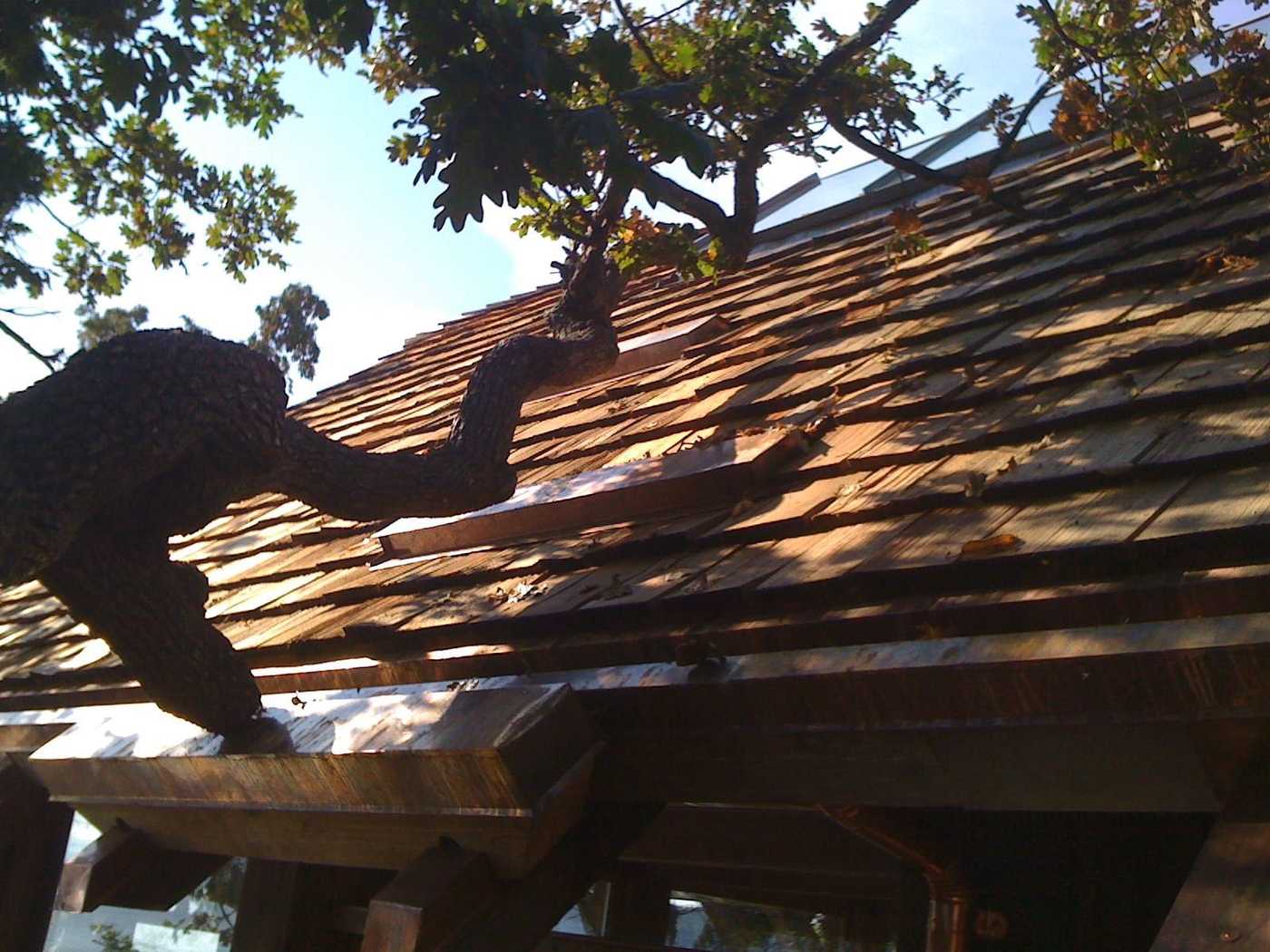
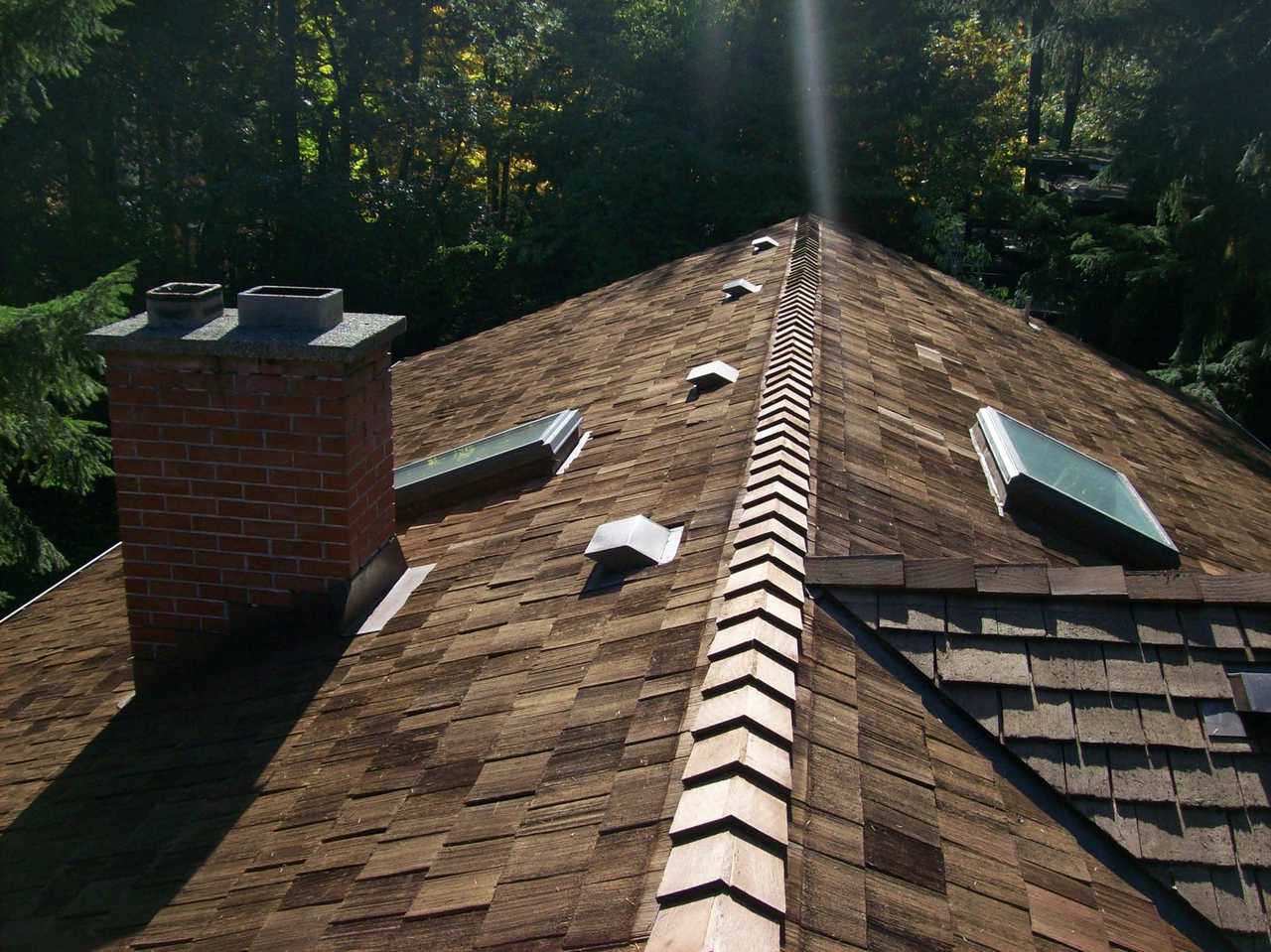
- Cedar shakes and shingles — the signature roof of the Victoria character home; installed ventilated, restored course by course. See the cedar page for the full method.
- Slate and slate-look composites — slate repair and replacement; where genuine slate is impractical, modern composites that keep the profile.
- Concrete and clay tile — European tile training is literally where I started; tile roofs are a European trade.
- Standing seam metal — historically present on many period homes, and often the approved long-life alternative.
- Copper and custom sheet-metal work — flashings, valleys and details bent to the building, not adapted from a shelf.
The restoration process
- Assessment first. What is original, what has already been replaced badly, what the bylaws say about your specific house.
- Permit path confirmed before materials are ordered — Heritage Alteration Permit where one applies.
- Restore before replace. Section repairs and restoration where the roof honestly supports it; full replacement in matched material where it doesn’t.
- Documented as it goes. Photos of every layer and detail — for the heritage file, your insurer, and the next owner.
Institutional heritage counts too: churches, halls and public buildings with complex old roofs are the same conversation at a bigger scale — the kind of project where a project manager who has actually done the work is the difference between a restoration and an expensive approximation.
Frequently asked questions
Do I need a permit to replace the roof on a heritage home in Victoria?
Often, yes. If the house is on the heritage register or has a heritage designation, exterior work — including roofing — can require a Heritage Alteration Permit, and the municipality will want the replacement to match the original material and profile. Character homes in heritage conservation areas in Victoria and Oak Bay face similar review. The paperwork scares off most generalist roofers; Denis treats it as part of the job and can tell you at the first visit which process your house is likely in.
Can a heritage roof be repaired instead of replaced?
Frequently. Cedar, slate and tile roofs fail in sections — a slope, a valley, a detail — long before the whole roof is done. A restoration that replaces failed material with matching material, redoes the flashings and fixes ventilation can add decades and keeps the original roof (and the heritage reviewers) intact. Denis will tell you honestly where your roof sits between restoration and replacement.
What materials suit a heritage or character home?
The ones it was built with, matched as closely as modern supply allows: cedar shakes or shingles for the classic Victoria character home, slate or slate-look composites where slate was original, concrete or clay tile on the houses built for it, and standing seam metal — historically correct on many period homes — where metal was the original or an approved alternative. Custom copper and sheet-metal flashing work is part of matching: Denis holds a sheet metal ticket and bends it himself.
How do you repair a heritage roof without losing its character?
By working like the original roofer: same material, same exposure and coursing, same ridge and valley treatment, and flashings detailed in metal rather than surface caulk. New material is blended across the slope so the repair doesn’t read as a patch from the street. Where original materials are unobtainable, the closest documented match is proposed — with samples — before anything is ordered.
Request a heritage roof assessment
Age, neighbourhood, what’s on the roof now, and whether it’s designated or on the register if you know. I’ll tell you straight what the process looks like for your house.
Prefer to talk? Call 250-889-5620 or email info@waterproofingsystems.ca.